


Browse the guides by topic
Buying guides, plus the market-entry, material and buyer-type pages they connect to, grouped by the question you start from. Each topic opens the detailed pages behind it.
Sourcing and supplier checks
- How to choose a wooden toy manufacturer: the checks before you order
- Factory direct vs trading company: verifying who makes the product
- Stock vs custom wooden toys: MOQ, sampling and lead time
- How to choose a reliable wooden toy manufacturer: 12 checks
- How EU and US buyers source wooden toys
- How to select high-quality wooden toys
Compliance and market entry
- Wooden toy safety standards: EN71, ASTM F963, CPSIA and UK rules
- CE marking for wooden toys: what EU importers need
- CE vs UKCA: EU and UK marking routes compared
- EN71 compliance: EN71-1, EN71-2 and EN71-3
- ASTM F963 for the United States
- EN71 vs ASTM F963: what each report covers
- EN71 vs CPSIA: EU and US testing, CPC and tracking labels
- CPSIA: lead, phthalates, CPC and tracking labels
- TSCA Title VI vs CARB Phase 2: composite wood panels
- UKCA marking for the United Kingdom
- Australia: AS/NZS ISO 8124 and ACCC rules
- Canada: Toys Regulations and bilingual labelling
- CPSIA and the Children's Product Certificate
- Age grading: 0-3 and 3+ testing and labelling
- Import requirements across the EU, UK, US, Canada and Australia
Materials, finishing and production
- Rubberwood vs beech: which wood to specify
- Beech vs pine for wooden toys: hardness, weight and grain
- MDF vs plywood for wooden toys: strength, edges and formaldehyde
- Solid wood vs MDF: strength, joints, moisture and repair
- Plywood vs solid wood: choosing the material
- CNC vs handmade: how wooden toys are actually made
- Laser cutting vs CNC routing: edges, tooling and design limits
- Water-based paint: coating, limits and testing
- Water-based vs solvent paint: VOC, finish and testing
- Natural vs painted wood: wear, colour control and cleaning
- Pad printing vs screen printing: surface, artwork and durability
- Wooden toy materials: pine, beech, plywood, MDF, bamboo
- Sanding: why 2 to 3 rounds matter for safety and finish
- Manufacturing process: 10 steps from timber to shipment
- Forest certification due diligence for wooden toys
Cost, MOQ and order planning
- Wooden toy MOQ explained: minimum order quantities for custom toys
- Wooden toy price guide: what drives the unit cost
- OEM vs ODM: which route fits your brand
- OEM vs private label: design ownership, tooling and exclusivity
- MOQ and how test orders work
- What drives the cost of an order
- Samples: cost, lead time and sample approval
- Lead times: from sample to shipping
- Planning the sourcing calendar
Packaging, shipping and inspection
- Packaging: retail box, mailer or plain carton
- Retail-ready packaging and labelling
- Shipping from China: Incoterms and cartons
- FOB vs EXW for wooden toys: scope and landed cost
- Sea freight vs air freight: chargeable weight and delivery planning
- Pre-shipment inspection: what an AQL report misses
- Selling on Amazon US: compliance checklist
- Importing wooden toys from China: documents and paperwork
Guides by buyer type
- Wooden toy manufacturing solutions by buyer type
- For toy brands: OEM and ODM development
- For retail chains: volume supply and compliance
- For Amazon and marketplace sellers
- For crowdfunding campaigns: samples and pilot runs
- For schools, nurseries and educational buyers
- For promotional and corporate gifting
The guides, one by one
Import Wooden Toys from China: Documents
The paperwork that travels with a wooden toy order: specification sheet, EN71 and ASTM F963 test reports, declaration of conformity, packing data and the documents your own customs broker will ask for. Read this one first if you have never imported toys before, because the document list decides the order of everything else.
Wooden Toy MOQ Explained: Test Orders
How minimum order quantities are actually built at a wooden toy factory, why tooling and print set-up, not materials, are what raise the MOQ for custom work, and how to structure a small first order so it tests the market without paying development prices on every unit. In-stock items from our range start at 50 pieces per item.
How EU & US Buyers Source Wooden Toys
What European and American buyers check in the first three emails with a new supplier: whether the factory makes the product itself, whether the report on the table matches the item being quoted, and whether the sampling and production dates are real. It also covers the sourcing routes that bring buyers to Zhejiang in the first place.
How to Select High-Quality Wooden Toys
A practical inspection guide: board grade, sanding, edge sealing, paint coverage, joint strength, hardware and the parts of a wooden toy that fail first in a retailer's returns report. Useful when you are comparing samples from two or three suppliers at the same price.
Where the safety rules sit
The two guides above describe the commercial process. The regulatory detail is in two other places: EN71 wooden toy requirements for the European side, and how to choose safe wooden toys for kids for the checks that apply in both markets. Together with the toy safety standards page, they answer the question that comes before every quotation: which report does this item need, and who signs the declaration.
What these guides deliberately do not contain
There is no price list on this website. Wooden toy pricing depends on the specification, the quantity per item, the packaging and the destination, and a published price that fits one buyer is misleading for the next. Prices are quoted per item against a real specification — send the item codes or a photograph, the quantity and the target market. Lead times are also quoted per order, although the standard figures are stable: in-stock samples dispatch within 48 hours, custom sampling takes about 10 days, and production runs about 30 days after order confirmation.
A reading order that saves time
- Read the documents guide and list the paperwork your market requires.
- Read the MOQ guide and decide the size of the first order.
- Read the safety pages for your market, then check the age grading of the items you have shortlisted.
- Send the shortlist with quantities and the destination country, and compare quotations with their documentation attached.
Questions the guides do not answer
Anything specific to your own range: a particular carton size, a barcode format, a retail chain's testing protocol, or a material substitution. Those are answered per item. Questions about sampling, MOQs and lead times in general are collected on the frequently asked questions page, and the catalogues and documentation page explains what we send with a quotation.
Who writes them
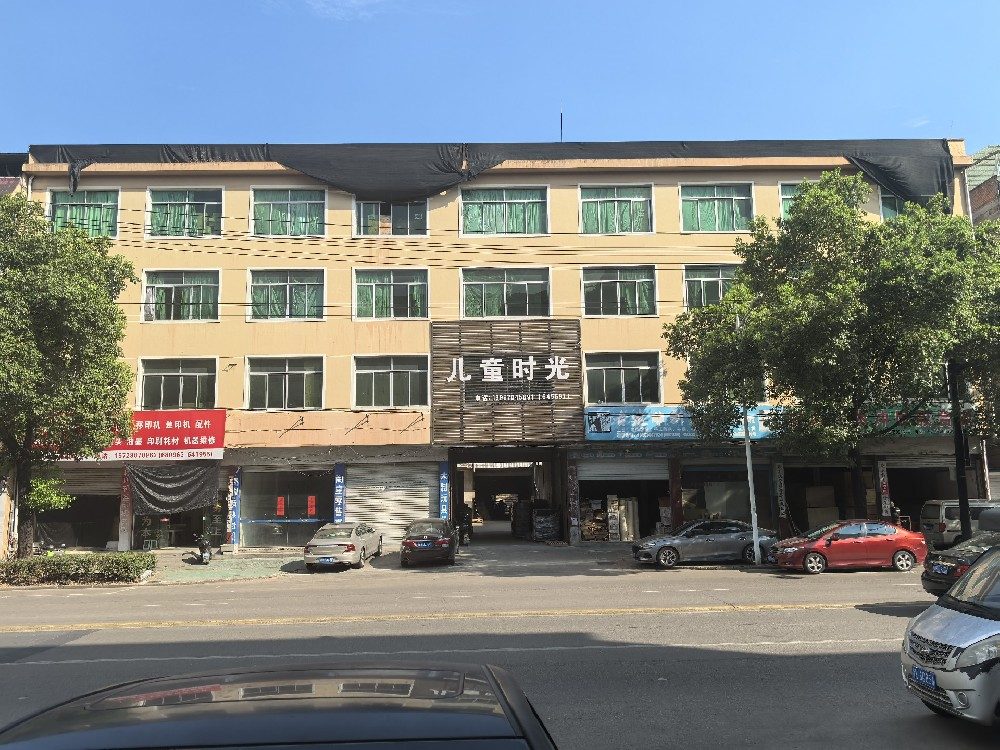
Yunhe Kid Times Toys & Games Factory has been making wooden toys in Yunhe County, Zhejiang since 2007, with 80 staff and a 6,000 m2 plant, supplying wholesalers, brand retailers and importers in Europe, North America and Oceania. The guides are written from the orders we quote and ship, which is why they talk about carton sizes, report dates and sample dispatch times rather than about the category in general. If a guide is out of date, tell us at info@china-wooden-toys.com and we will correct it.